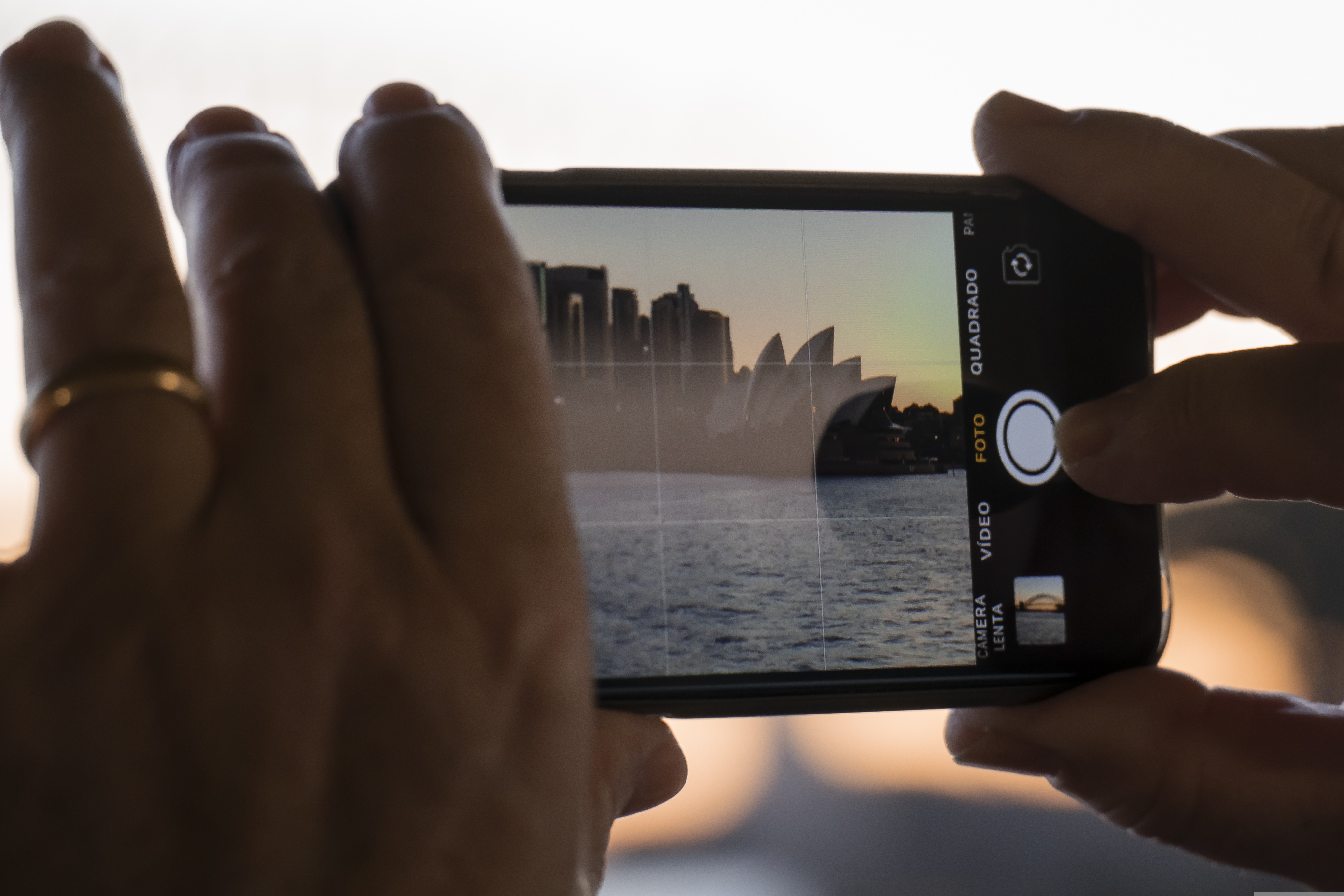
By 2026, smartphone photography had come a long way. Phones are no longer just used to take simple photos: they are now capable of producing images that are comparable to those taken with a professional camera. Thanks to more powerful sensors, artificial intelligence and advanced image-processing software, some smartphones can replace a conventional camera for the majority of users.
Among the top-performing models, three phones stand out in particular: the iPhone 17 Pro Max, the Google Pixel 10 Pro and the Samsung Galaxy S26 Ultra. Each has its own advantages and meets different needs: overall quality, automatic photography, zoom or more advanced photography.
L’iPhone 17 Pro Max is one of the most comprehensive smartphones for photography in 2026. Apple prioritises a natural look with true-to-life colours, highly precise detail and excellent light management.
Its camera system allows you to take a wide variety of photos: portraits, landscapes, travel photos, animals and everyday scenes. The portrait mode is particularly popular thanks to its ability to highlight the subject with a realistic blurred background.
The iPhone also performs very well in challenging conditions. In low light, it automatically enhances photos to preserve detail and minimise noise. Its image processing ensures consistent results without the need to adjust the settings.
One of its biggest advantages remains the video. Thanks to its excellent image stabilisation, fast focusing and high image quality, it is widely used by content creators for social media or professional projects.
Its key strengths:
The iPhone 17 Pro Max is therefore ideal for anyone looking for a reliable smartphone capable of taking great photos in almost any situation.
The Google Pixel 10 Pro It stands out primarily thanks to its artificial intelligence. Unlike some phones that rely solely on hardware power, Google uses advanced technologies to automatically enhance every image.
The Pixel analyses the scene being photographed and adjusts various elements such as brightness, colours, contrast and sharpness to produce a better photo. This allows even novice users to achieve excellent results without needing to know how to adjust a camera’s settings.
It is particularly renowned for its performance in night-time photo. Even in low light, it manages to produce clear images with a great deal of detail. It is also very effective for portraits thanks to its good face recognition and natural skin tones.
Another advantage is its simplicity: you often just need to point and shoot to get a high-quality result.
Its key strengths:
The Google Pixel 10 Pro is therefore perfect for people who want to take great photos quickly without spending time adjusting their camera settings.
The Samsung Galaxy S26 Ultra is a smartphone designed for photography enthusiasts who want the widest possible range of features. Its main advantage is its powerful zoom, which allows you to take photos of distant subjects whilst maintaining good image quality.
It is particularly well suited to travel, landscapes, sporting events or concerts, where it is often difficult to get close to the subject. Its camera system also offers a wide range of modes and settings, allowing users to customise their shots.
Samsung offers an experience closer to that of a traditional camera, with advanced options for adjusting exposure, colours and detail. This gives photography enthusiasts greater control over their images.
Its large screen is also a bonus for viewing photos, editing images and making the most of the details captured.
Its key strengths:
The Samsung Galaxy S26 Ultra is therefore the ideal choice for those who enjoy exploring photography and capturing subjects from a distance.
The rich text element allows you to create and format headings, paragraphs, block quotes, images and videos all in one place, rather than having to add and format them individually. Simply double-click to create content with ease.
asdasdasdsad

Discover Yallo, Lebara and Sunrise mobile plans at URBAK in Geneva! Get personalised advice to find the mobile, internet or TV package that suits your needs and budget.

Smartphone scams are becoming increasingly common: fake text messages, fraudulent links, suspicious calls or requests for security codes. Find out the best practices to follow to protect your data and use your smartphone safely with advice from URBAK.
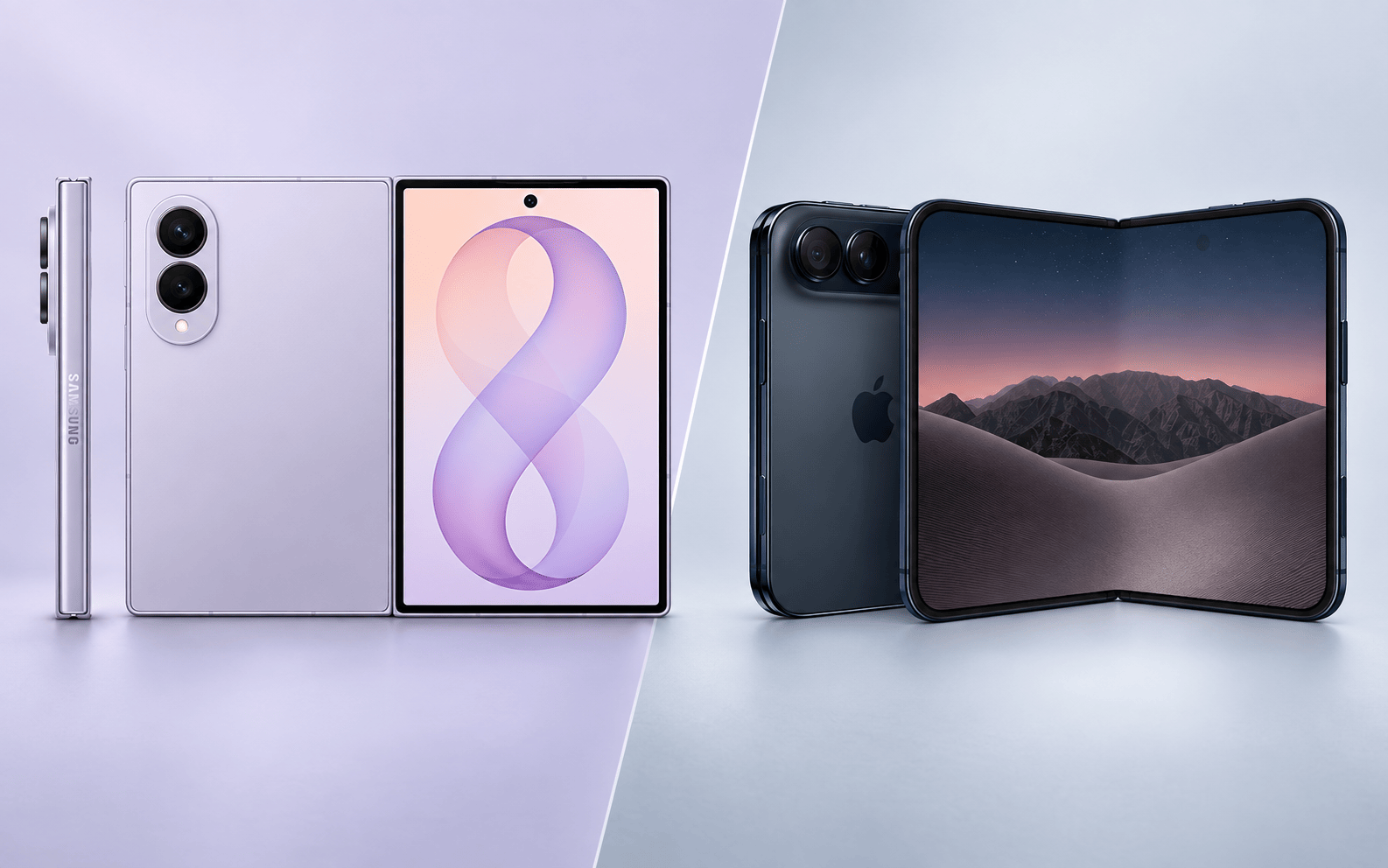
iPhone Duo or Galaxy Z Fold8? Discover the differences between these two top-of-the-range foldable smartphones: display, performance, camera, battery life and features, to help you decide which one best suits your needs


