
For many people, the camera is a key factor when choosing a new phone. Which of the latest models stand out the most? Here is our selection of the best smartphones for photography in 2024, all tested by URBAK.
Are you looking for a smartphone with excellent camera quality? Some models almost rival traditional cameras, at least for everyday, non-professional use. Often, the best smartphones for photography also feature in our selection of the best smartphones on the market. To help you, the URBAK Buying Guide team has selected the best smartphone models for photography, tested and approved by our journalists.
The Samsung Galaxy S24 Ultra follows in the footsteps of its predecessor, offering a smartphone that excels in every respect. If you’re looking for the best smartphone for photography in 2024, look no further.
Samsung’s new top-of-the-range smartphone features four main lenses:
During his test, Omar was able to put the S24 Ultra through its paces in a variety of conditions. The handling of light in the photos is remarkable, with highlights that aren’t oversaturated and well-detailed shadows. Colours are accurate, although sometimes a little too flattering. In summary, the photo quality is excellent.
Despite the switch to 10x digital zoom, the phone offers more accurate colour reproduction than the S23 Ultra. AI-powered image processing further enhances the results. The S24 Ultra manages to outperform its predecessor in terms of photography.
Priced at 1,469 euros for the basic model, the Samsung Galaxy S24 Ultra is, in our opinion, the best smartphone for photography in 2024. Read our full review to find out more.
Xiaomi, in its bid to compete with Samsung and Apple, has launched the 14 series. The Xiaomi 14 stands out for its compact design and comfortable grip, despite its imposing camera module.
The camera specifications are as follows:
During our test, the camera proved to be particularly impressive. In good lighting conditions, the photos taken with the main sensor are exceptional, with natural colours and a wide dynamic range. Focusing is fast and accurate, and Leica’s specialised shooting modes are a real bonus.
The ultra-wide-angle lens performs brilliantly in daylight, producing sharp photos with true-to-life colours. At night, the focus is a little off, but not to a significant degree. The telephoto lens delivers high-quality results with minimal digital noise.
The main drawback is portrait mode. Although the bokeh effect is well executed, the edge detection lacks precision. Night-time photos are sometimes overly smoothed, revealing a lack of AI enhancement. At 999 euros, the Xiaomi 14 is a recommended top-of-the-range model. See our full review for more details.
For an even more powerful model, the Xiaomi 14 Ultra rivals the Samsung Galaxy S24 Ultra. The partnership with Leica ensures excellent photo quality. Read our review of the Xiaomi 14 Ultra to find out more.
Google has launched its Pixel 8 and Pixel 8 Pro, the successors to the Pixel 7. The camera, as always, is top-notch, producing detailed and colourful photos. The Pixel 8 Pro is one of the best high-end camera smartphones currently available, with a revamped design and less angular edges.
The Pixel 8 Pro features a 6.7-inch OLED display with a resolution of 2992 x 1344 pixels, a refresh rate of 120 Hz, and a maximum brightness of 1771 cd/m².
The photos are flattering, with sharp detail and pronounced micro-contrast. Portrait mode remains a strong point of the Pixel range, and night-time photos are good, with no excessive digital noise. The 10.5 MP selfie camera delivers excellent shots. Editing tools, such as the ‘Magic Eraser’ and ‘Best Shot’, are straightforward and effective. Video benefits from satisfactory optical stabilisation.
Despite its many strengths, the Pixel 8 Pro has one weakness: its battery life, which is limited to a single day. For an extra 60 euros, the Galaxy S23 Ultra offers more power and better battery life. However, if its price drops, the Pixel 8 Pro remains an excellent choice for photography. Read our full review to make up your own mind.
Apple’s new generation has arrived. The iPhone 15 Pro Max, with its many innovations, replaces the 14 Pro Max. It’s the best iPhone for photos and videos.
The camera consists of:
During our test, we found that the iPhone uses different ‘focal lengths’ for photos. The main lens performs best, delivering high-quality results with excellent sharpness and accurate colours. The ultra-wide-angle lens is less impressive, but the portrait mode is versatile and night-time photos turn out well, without excessive digital noise. The iPhone 15 Pro Max is also the best smartphone for video, with the ability to record in ProRES 4K at 60 FPS when connected to an external SSD.
Thanks to the powerful Apple A17 Pro chip and an excellent 6.7-inch OLED screen, the iPhone 15 Pro Max is incredibly versatile. At €1,479, it’s the best iPhone of its generation for photography and video. Read our full review to find out more.
Although the iPhone 14 Pro has been removed from Apple’s catalogue, it remains a viable option for a cheaper high-end iPhone. Read our full review of the iPhone 14 Pro for more details.
The rich text element allows you to create and format headings, paragraphs, block quotes, images and videos all in one place, rather than having to add and format them individually. Simply double-click to create content with ease.
asdasdasdsad

Discover Yallo, Lebara and Sunrise mobile plans at URBAK in Geneva! Get personalised advice to find the mobile, internet or TV package that suits your needs and budget.

Smartphone scams are becoming increasingly common: fake text messages, fraudulent links, suspicious calls or requests for security codes. Find out the best practices to follow to protect your data and use your smartphone safely with advice from URBAK.
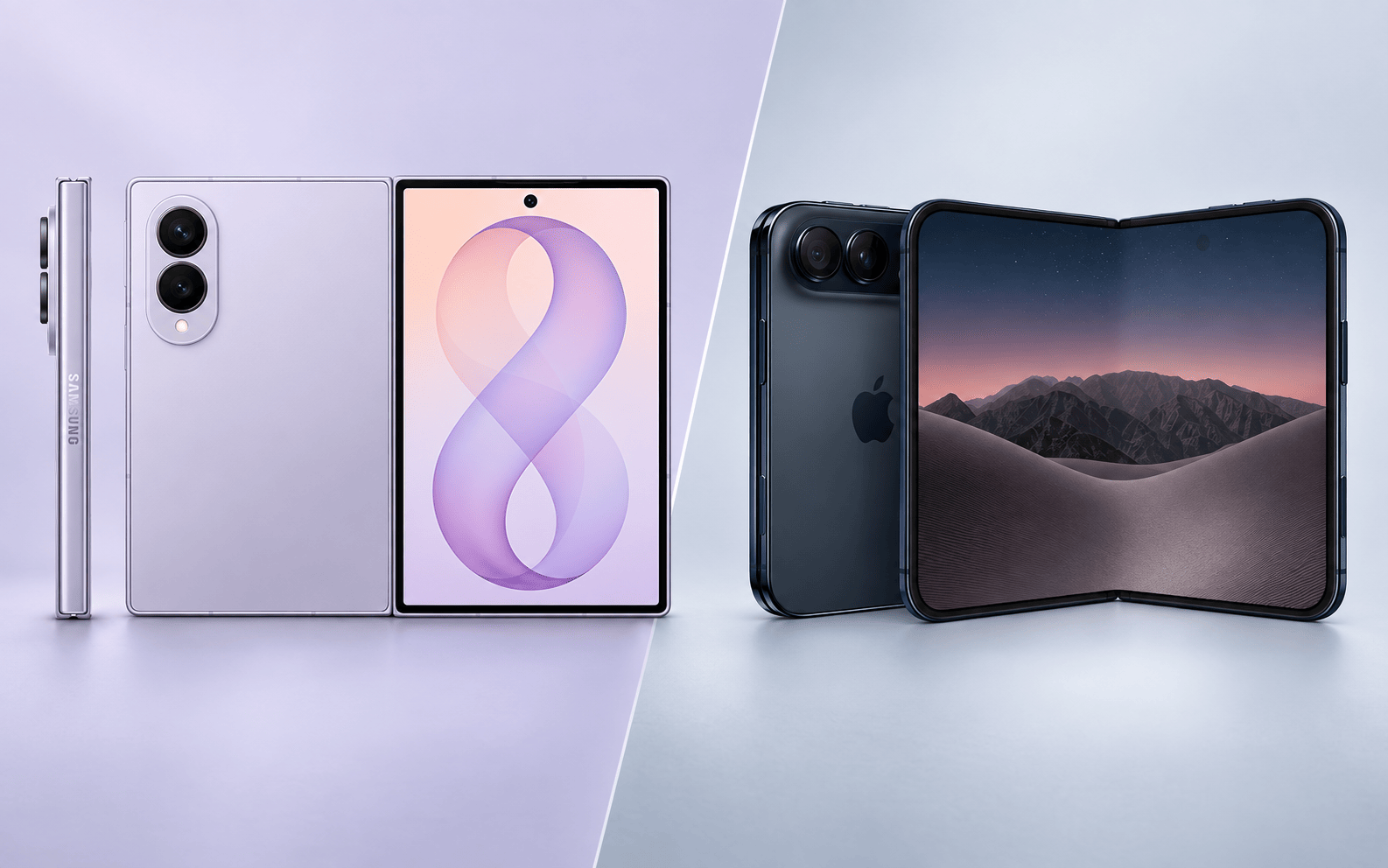
iPhone Duo or Galaxy Z Fold8? Discover the differences between these two top-of-the-range foldable smartphones: display, performance, camera, battery life and features, to help you decide which one best suits your needs


