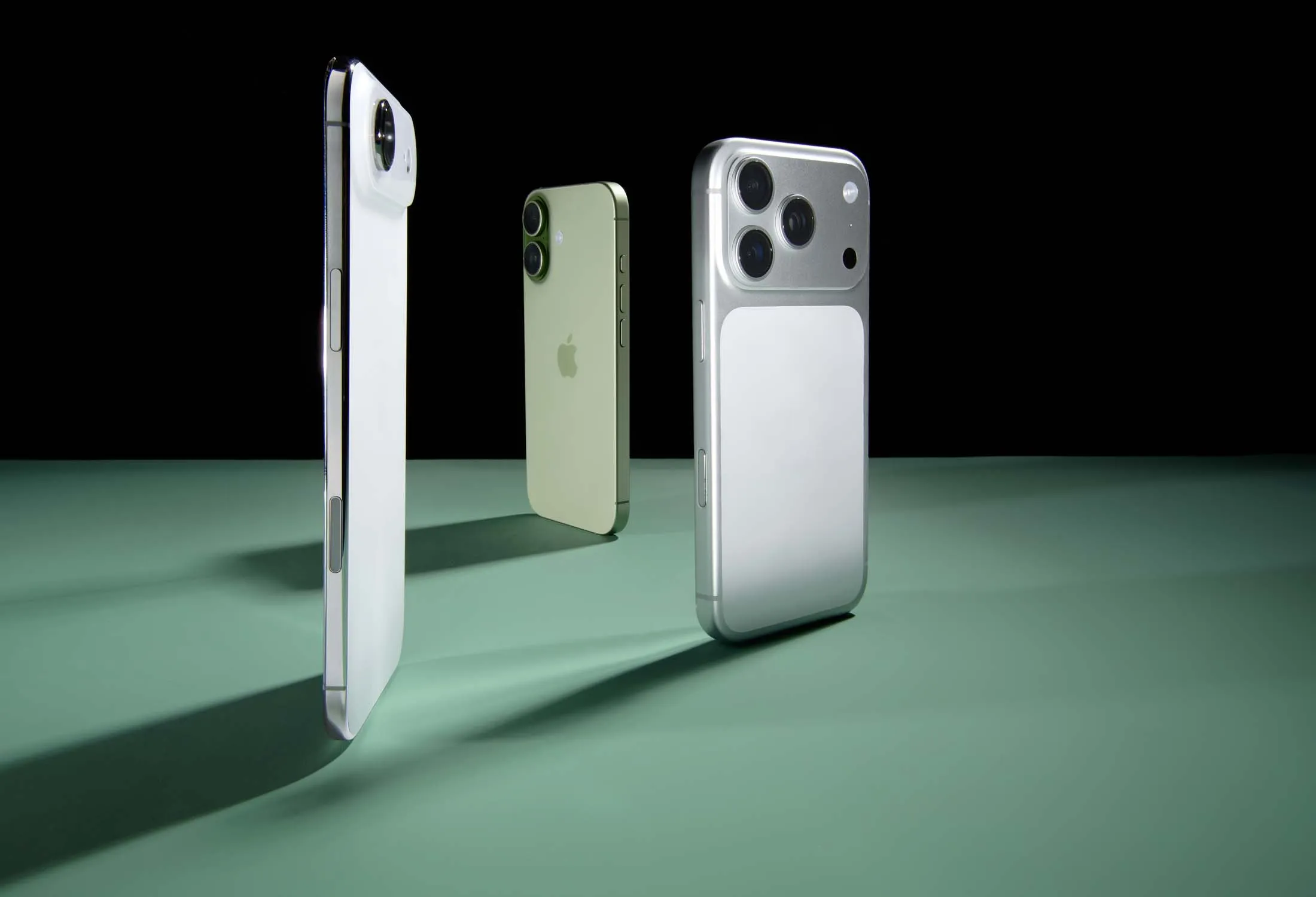
Behind its screen and numerous apps, your phone conceals some impressive technology that has changed the way we live, communicate and engage with the world.
Every day, we use our phones to send messages, watch videos, take photos or browse the internet. Yet most people don’t really understand the technology behind this device, which has become indispensable. Here are some surprising facts about the smartphones we use every day.
The first computers sometimes took up entire rooms, yet they were far less powerful than today’s mobile phones. Today, a smartphone fits in the palm of your hand and has enough processing power to carry out millions of operations per second.
This development makes it possible to use complex apps, play highly realistic games or even use artificial intelligence directly from your phone.
The GPS function found in most smartphones allows you to determine your location almost anywhere in the world. This technology works via a network of satellites that communicate with the phone to calculate its precise location.
Thanks to GPS, you can find a route, discover nearby places or even help the emergency services locate someone in distress.
Nowadays, many people use their phones exclusively for taking photos. Smartphone sensors have become so advanced that they can rival some traditional cameras.
Artificial intelligence also enables images to be automatically enhanced by adjusting brightness, colours or sharpness.
Modern smartphones are becoming increasingly effective at protecting personal data. Facial recognition, fingerprint authentication and data encryption help to secure access to important data.
However, it remains essential to choose strong passwords and to be careful about which apps you install.
In the coming years, phones are expected to incorporate more artificial intelligence to better understand users’ needs. They could help organise our day, automatically enhance our photos or even make certain complex tasks easier.
The mobile phone is therefore no longer just a means of communication: it has become a truly smart device that is an integral part of our daily lives.
A smartphone is made up of many different materials, some of which are rare, such as lithium, cobalt and certain metals used in electronic components. These materials enable the manufacture of high-performance batteries and ever-smaller devices.
Recycling mobile phones is therefore important for recovering these resources and minimising the environmental impact.
Smartphones today are equipped with numerous sensors capable of measuring our activity. They can count our steps, track our movements or analyse certain sports-related data.
These features enable users to keep better track of their health and daily habits.
The first mobile phones had small, simple screens, often capable of displaying only numbers and letters. Today, smartphone screens offer highly detailed images, more realistic colours and smoother performance.
This development means you can watch films, play games or work directly from your phone.
Despite technological advances, battery life remains a major challenge. Manufacturers are constantly striving to develop batteries that charge more quickly and last longer.
New technologies could mean that, in future, you’ll be able to use your phone for several days without needing to recharge it.
Smartphones are already replacing many devices such as cameras, sat-navs and bank cards. In the future, they could incorporate even more functions and become a true control centre for our digital lives.
Thanks to new technologies, mobile phones will certainly continue to evolve and play an even greater role in our daily lives.
In just a few decades, the telephone has undergone a spectacular evolution. From a simple device for making calls, it has become a technological powerhouse capable of keeping us informed, entertaining us and helping us every day. Understanding how it works enables us to make better use of this tool, which now plays a central role in our society.
The rich text element allows you to create and format headings, paragraphs, block quotes, images and videos all in one place, rather than having to add and format them individually. Simply double-click to create content with ease.
asdasdasdsad

Discover Yallo, Lebara and Sunrise mobile plans at URBAK in Geneva! Get personalised advice to find the mobile, internet or TV package that suits your needs and budget.

Smartphone scams are becoming increasingly common: fake text messages, fraudulent links, suspicious calls or requests for security codes. Find out the best practices to follow to protect your data and use your smartphone safely with advice from URBAK.
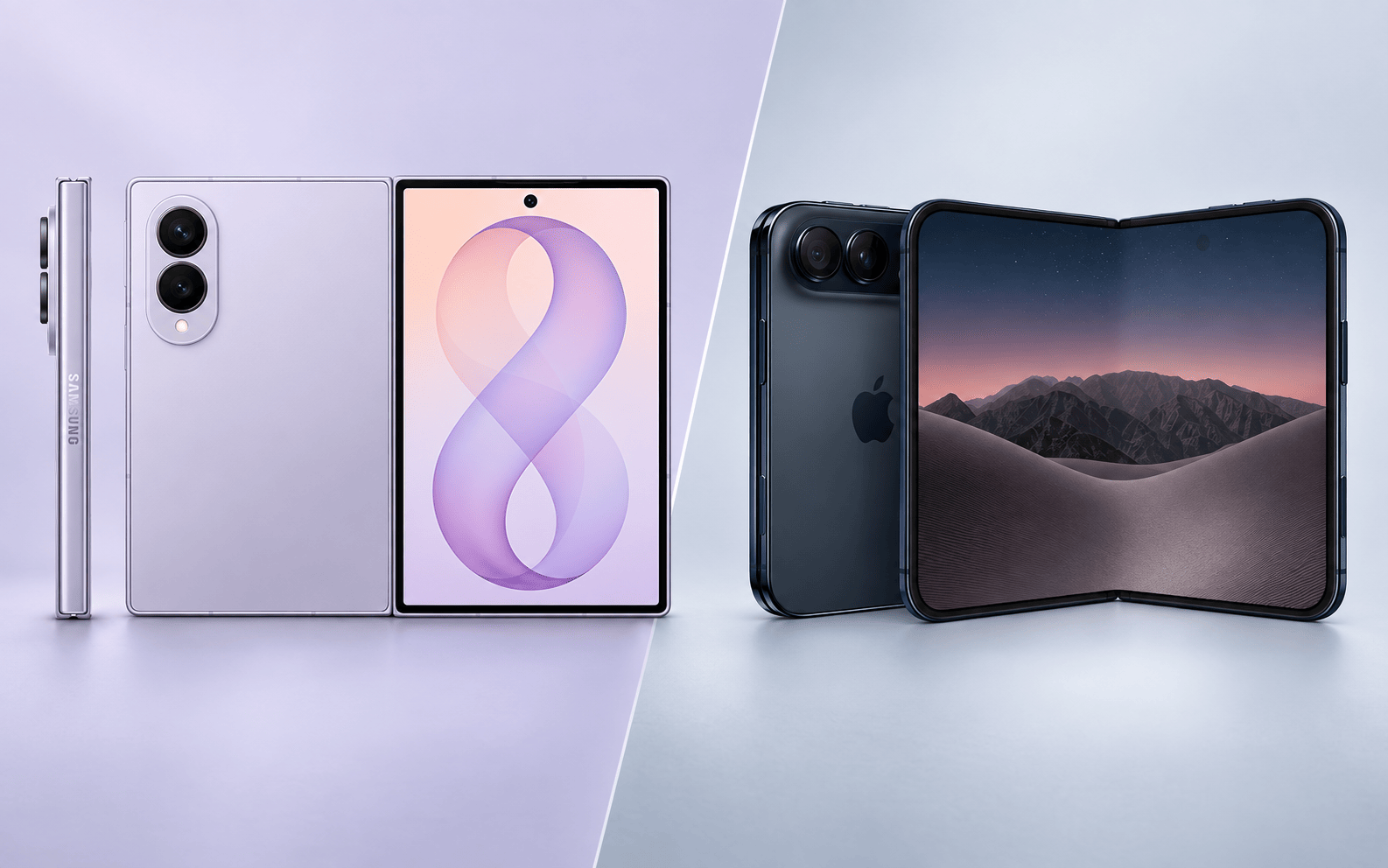
iPhone Duo or Galaxy Z Fold8? Discover the differences between these two top-of-the-range foldable smartphones: display, performance, camera, battery life and features, to help you decide which one best suits your needs


